
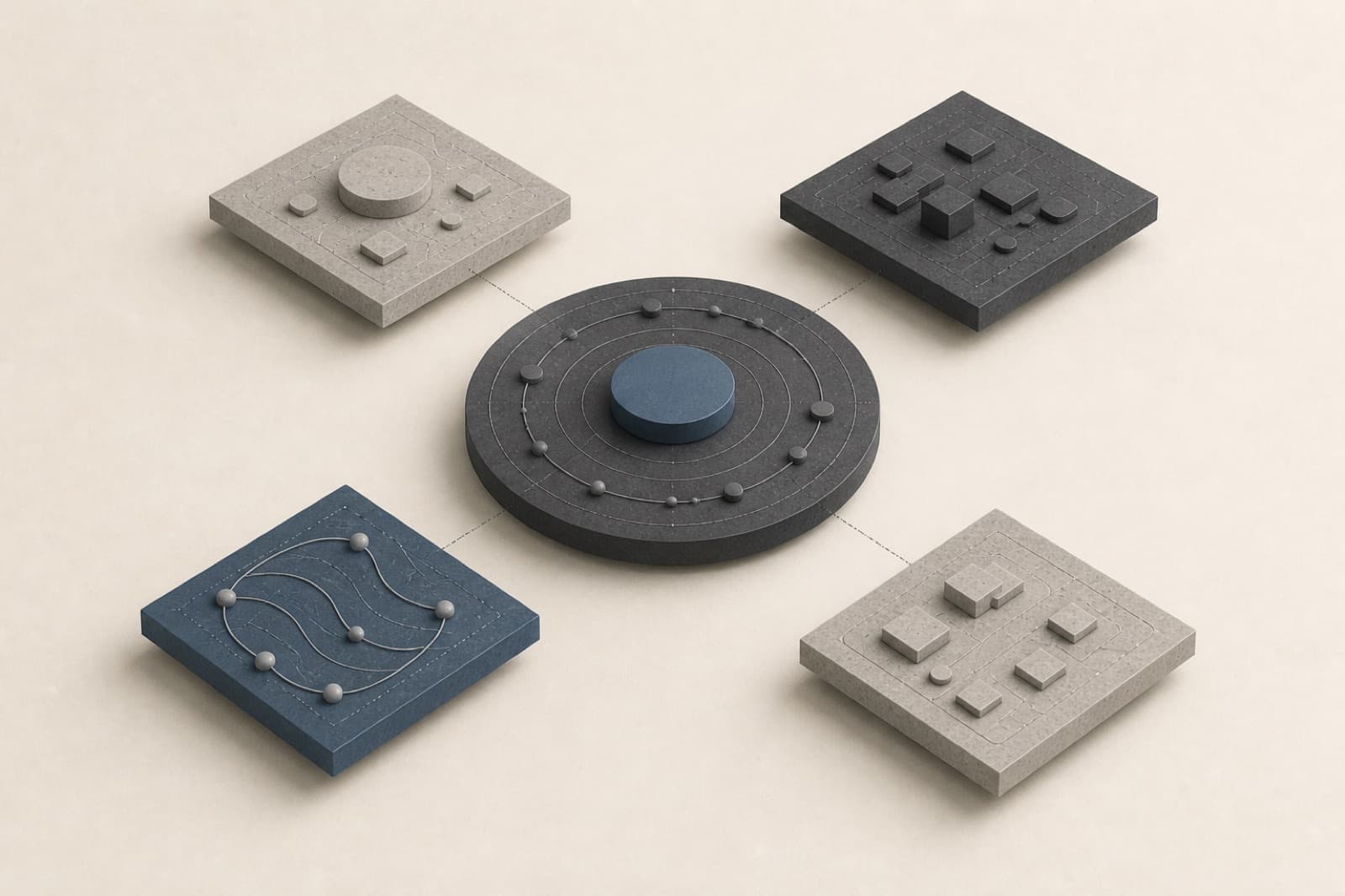
Most teams do not have an “AI strategy” problem. They have a fragmentation problem: a chatbot on the website, another vendor for internal Slack, spreadsheets for playbooks, and no shared memory of what the company actually said to customers last week.
WisebotAI is built to fix that. We describe it as a company AI OS: a control plane where you design agents, attach knowledge, wire channels and tools, and run workflows—with humans still in charge when it matters.
What you ship with WisebotAI
- Agents — Different agents for different jobs (support triage, sales follow-up, internal Q&A) with instructions, tools, and guardrails you can version and review—not a single anonymous bot trying to do everything.
- Knowledge — Documents, structured sources, and crawled pages feed retrieval so answers stay tied to what your organization approved, not generic web prose.
- Channels — The same intelligence can meet customers and staff where they already work: web widget, messaging channels, and the surfaces your roadmap includes—without re‑implementing policy in each place.
- Workflows — Visual pipelines connect inputs, LLM steps, HTTP calls, MCP tools, and (where enabled) sandboxed code so automation is auditable, not a black box.
- Operations — Inbox, analytics, and org settings so RevOps and leadership see volume, quality, and escalation paths—not only a developer dashboard.
Who it is for
WisebotAI is intentionally cross‑functional:
- Support and CX get grounded replies, escalations, and consistent tone.
- Sales and success reuse the same knowledge and handoff threads as the front line.
- Ops and IT publish playbooks, connectors, and limits every agent must respect.
- Leadership gets a story they can trust: workflows on a canvas, review trails, and org‑scoped access—not shadow IT in a dozen chat tabs.
How this differs from “just another chatbot”
A chatbot answers questions. An AI OS connects policy, data, tools, and people:
- One place to see which agent is live on which channel.
- One knowledge layer so marketing, legal, and support are not maintaining five different FAQ documents.
- Tool and MCP execution with server-side isolation and clear audit expectations (see our docs on tool calling & agentic execution).
Where to go next
- Product walkthrough — Start with Getting started and the docs home.
- Engineering deep dives — Serverless GPU for model serving and E2B sandboxes for AI agents explain patterns we care about when agents, sandboxes, and custom inference meet real traffic.
If you are evaluating WisebotAI for your org, run a pilot on one high-pain workflow (deflection, handoff, or internal Q&A), measure quality and handle time, then expand the mesh—do not boil the ocean on day one.